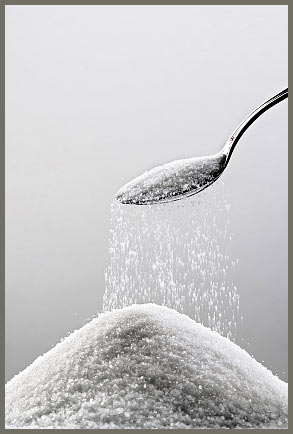
Friday, 26 October 2012

Drum roll please.....

So many people have asked me "so how much have you lost?" that I'm feeling under pressure to buy some scales, which regular readers of my blog will know I do not own.   Regular readers will also know that the point of this diet or 'lifestyle' as I like to label it, is not strictly about weight loss but is more about the health benefits associated with intermittent fasting.

But Ok, " enough already!!!" I hear you cry..... "How much have you lost?"   Well, if you put it like that...... Half a stone in just over two months.   (I was able to weigh myself at my Mum's over the weekend while visiting.)  Despite not having weight loss as a particular goal (she lies), I have to admit to being quite pleased with this result and it's got me hooked.  I've fallen for the feeling of being lighter on my toes and now I'm looking for my next goal.......... Rather than a weight goal, what about dropping another dress size by Christmas?   Hmmmm that may be a stretch too far but I'm willing to give it a try ......

This all sounds far too self obsessive, for which I apologise and feel the need to move on!!..... well, not too far on.....!!  Until trying this new regime, I had never been that good at self discipline - particularly when it came to food and the odd glass of wine!!..... but I have this time managed to summon, from somewhere, the will power to really make this work.

According to some fascinating research by psychologist Terrie Moffitt of Duke University in Durham, North Carolina, our levels of will power as a child can have profound effects on our lives as adults.  Moffitt took 1000 children in New Zealand in the early 1970s and followed them from the age of 3 to their early 30s.  As children, they underwent a range of tests around impulsiveness, self control and hyperactivity.  The research found that those children with less self control at an early age were more likely to smoke, gain weight and do badly in school.  As they caught up with them later in life, they found they were earning on average 20% less than those who were more self-disciplined as children and they were three times more likely to be dependent on alcohol and drugs.  They also suffered more ill health in their 30s than their more self-controlled counter parts, who were happier, healthier and more successful.  http://news.sciencemag.org/sciencenow/2011/01/dont-take-that-cookie.html

If you don't have it, though, don't despair as it is apparently possible to train your brain to acquire more will power.  According to a paper published in the journal Psychological Science, it is possible with cognitive training to improve our levels of what they call 'executive control' over all aspects of life, including our diet of course.  http://www.psychologytoday.com/blog/choke/201107/training-the-brain-avoid-temptation

I might just give it a try to see if it can help me drop that additional dress size!!!  Watch this space....


Nutrition tip of the day

This one is a bit of a myth buster - believe it or not, there is a food out there which is relatively high in calories and fat but is also, in fact, a bona fide super food.  How can this be?  Can those two realities co-exist?    Indeed they can - we are talking nuts, a much maligned and misunderstood wonder of the edible kind.  This must be one of the top foods which I have trouble in convincing people is good for them..... but I'm always up for a challenge so Ill give it another go.....

Nuts contain a range of nutrients which have been linked to lower cholesterol, better heart health, weight control, and even a lower cancer risk.  Different nuts offer different benefits and some are a little more 'super' than others......


Almonds
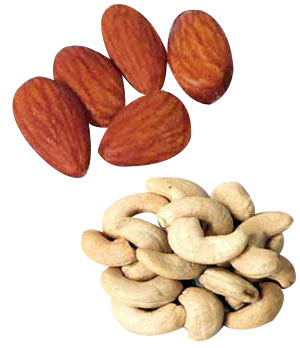
Almonds are the top of the pile (pardon the pun) for fibre.... and are richest in vitamin E.  Including soluble fibre in the diet has been found to help in regulating bowl function and fighting obesity. Almonds also raise the levels of good bacteria in the gut which improves the immune system.  They help to lower bad LDL cholesterol and decrease insulin resistance.  (7 calories per nut)

Cashew nuts
Fabulous for the brain as they are rich in magnesium which can help improve memory and protect against illnesses such as Alzheimer's in later life.  They are also rich in iron which can prevent anaemia and zinc which can improve immunity and eyesight. (9 calories per nut)


Brazil nuts
This is the best cancer fighting nut.  They are packed with the mineral selenium (in fact one Brazil nut contains more than 100 percent of the daily intake..... so eat in moderation as high levels of selenium can also be harmful!).  This humble nut may help prevent cancers such as bone, prostate, and breast cancer.  It does this by inhibiting the growth of cancerous cells.   (30 calories per nut)


Hazelnuts
High in vitamin E means these nuts are great for maintaining healthy skin and eyesight, reducing the risk of cataracts and macular degeneration.  They are also high in mono-unsaturated fats which can lower cholesterol and reduce the risk of cardiovascular disease and type 2 diabetes.  (9 calories per nut)


Macadamia nuts
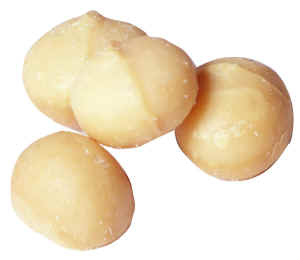
These contain the highest levels of 'good' or mono-unsaturated fats which lower bad cholesterol and blood pressure.  They're high in calories but they can still be enjoyed in moderation, and it has been found that those who include macadamias in their diets, have reduced their triglyceride and LDL cholesterol levels by nearly 10%.  (20 calories per nut)


Pecan nuts
Great for heart health, high in antioxidants and can help prevent plaque build-up in the arteries. A study by the Journal of Nutrition  found that pecans can help lower LDL cholesterol levels by as much as 33 percent. They are also high in vitamin E. (11 calories per Pecan half)


Peanuts
Peanuts contain unsaturated fats, magnesium, folate, vitamin E, copper and arginine. Research has found that regular consumption of 16 g of peanut butter reduced the risk of cardiovascular disease in women with Type 2 diabetes. The study, from the Harvard School of Public Health, examined more than 54,000 people for 22 years. Peanuts have also been found to significantly reduce triglyceride levels which are connected to incidences of heart disease.  Peanuts have good levels of protein and fibre, essential for a healthy digestive system and lowering cholesterol levels for good heart health.  (6 calories per nut & 94 calories per tablespoon of peanut butter)

Pistachio Nuts
Great for calorie counters, with around 3 calories per nut and rich in vitamin B6, which boosts the immune system and lifts the mood.  Research has found they reduce the risk of lung cancer in particular.  High in anti-oxidants and potassium essential to muscles and the nervous system. (3 calories per nut)


Walnuts
Walnuts are the best at fighting inflammation as they have the highest levels of omega-3 fatty acids.  They also have the most antioxidants of all the nuts, which help protect your body from heart disease, cancer, and premature ageing.  They also contain manganese which can reduce PMT symptoms. (13 calories per walnut half)

Monday, 15 October 2012

The DODO is not extinct!

OK, so I knew it would be harder as the temperatures dropped!..... and it is - a lovely fresh COLD salad (the main-stay of my summer fasting days) isnt quite as tempting this time of year.  So last night, having planned to have a salad for dinner, I went for a bowl of porridge made with water and a few seeds sprinkled on top instead..... just what I needed at that moment and pure heaven - comfort food without the calories!  Of course, when you make porridge with water instead of milk, you save around 50 calories and of course, what ever you do, dont add sugar or syrup.  If you need a little something to add flavour - try a few slices of fresh banana, fresh strawberries or blueberries.

Now dont get me wrong, when I say its getting harder, I'm still sticking to it 100% - so for those new to my blog - that means eating only 500 calories every other day and eating normally on the days in between.  Some of you who live in London may have seen a report in the Evening Standard this week about what they called the DODO diet - 'Day On, Day Off' - which is essentially the same thing.
http://www.standard.co.uk/lifestyle/health/feast-and-famine-the-dodo-diet-8203219.html

It is clearly growing in popularity but the report seemed to indicate that following the 'every other day' pattern was not sustainable and the thrust of the piece was about weight loss rather than the health benefits that the regime can bring such as lowering cholesterol and reducing the risk of cancer, heart disease and diabetes. 

I have to say, I have not had any trouble sticking to the one day on, one day off pattern - occasionally Ive swapped a couple of days if Im going out with a friend or visiting family but that works fine.  To suggest, as the report does, that people can lose weight by cutting down on just one day per week and eat normally for the rest of the week, really misses the point.  It feeds into the growing societal sickness that we can all achieve results with minimal effort or will power.   And what results have I achieved in the last two months?  Well, some of the longer term benefits are hard to measure as yet, but I have lost 4 inches from around my waist which is a good start!  

It is also a myth that we all need to continue to eat at the levels we do to survive!  Trying this lifestyle (as I prefer to call it rather than a diet) has really brought home just how much we eat for a variety of reasons other than hunger; boredom, sociability, pressure, comfort, habit, routine, entertainment etc etc  ...... I dont believe we should end all parties, social occasions or stop being polite!!.... but thinking about the reasons behind our eating patterns is the first step in transforming the way we think about food.  From there we can start to look forward to a healthier future and walking lighter on the earth by reducing our footprint on this globe of ever dwindling natural resources.

Nutrition tip of the day

As it features so highly in my eating regime, I thought it would only be right to go into more detail about the terrific health benefits of my favourite comfort food!
Porridge is a great source of dietary fibre, particularly soluble fibre. Dietary fibre helps to normalise bowel function and helps to reduce constipation and other types of digestive ailments such as irritable bowel syndrome (IBS).
Soluble fibre acts as a slow release mechanism, giving porridge a low GI (Glycaemic Index) rating, and can reduce the risk of type 2 diabetes.

Porridge can also help in lower cholesterol levels, which helps in fighting heart disease.  Researchers have found that oats have a significant cholesterol-lowering effect when added to the diet.

In addition to the benefits above, porridge can assist in a weightloss programme due to its ability to keep you going for longer, due to its low GI rating, already mentioned.  So, as a much healthier breakfast choice than many of the sugary and processed cereals, it can help in the fight against obesity.

Finally, its delightfully easy to prepare - I simply put 5 tablespoons of porridge oats into a bowl, add tap water, stick it into the microwave for 1 min 30 secs, stir it, put it back in for another 1 min and bingo - done - just a few finishing touches of a sprinkle of seeds (see my last blog for the amazing health benefits of my daily Omega Sprinkle!), and a few slices of banana or strawberry and thats it - all made while the kettle boils for my cuppa!  Simplz as the meercats would say!!

Monday, 8 October 2012

Eat up!


It's amazing when you eat a lot less, how initially you think of food a lot more!..... And you notice when other people don't finish their food!!  I was in a natural food store/cafe last weekend having a coffee and was on one of my low calorie days.   A couple on a nearby table had just had lunch and were leaving when I noticed that they had both left at least half of the food on their plates..... A large piece of quiche and some lovely long green beans...... More food than I would have for dinner on my 500 calorie day.   I was so angry and knew that what they'd left would jut be scooped into the bin.   I also knew this was the tip of the iceberg and had witnessed it many times before, particularly there, a very wealthy part of London. 


It reminded me of an occasion last year at the Golden Globes when the rather marvellous academy award winning Jeff Bridges was so appalled at the food wasted there following the dinner, he went around all the tables and into the kitchen and gathered up all the left over food, put it into bags and got into his limo.  He asked the driver to take a detour to an underpass where a large homeless community lived and handed the food out to the hungry but appreciative crowd.  They weren't as surprised as you might think as he's been seen taking clothing, bedding and other supplies there before. Jeff is also a key figure in the Action against Hunger campaign in the US.


Food waste is one of the Worlds greatest sins and yet it is so unnecessary.  Did you know that 4600 kilo calories per day of food are harvested for every person on the planet; of these, only around 2000 on average are eaten - more than half of it is lost on the way.  Now that is an amazing and disturbing statistic.one of the many shocking facts listed by Tristram Stuart, award winning author and campaigner...
http://www.tristramstuart.co.uk/FoodWasteFacts.html


Nutrition tip of the day


Seeds are a great way to top up on some of the vital vitamins and minerals the body needs by sprinkling them on your breakfast cereal or porridge, or just eating them as a snack.


They're a great source of vitamin E, mono-unsaturated fats and fibre.  They also contain zinc, protein and other fabulous nutrients.   My top picks are:

1. Sesame seeds...
High in calcium, magnesium, zinc, iron, fibre, phosphorous and B1.   They lower blood pressure and protect the liver from damage.  They also help prevent asthma, arthritis, migraines, menopause, PMT and Osteoporosis.

2. Pumpkin seeds...
High in antioxidants with enhanced immune activity, helping to fight diseases.  In particular helps to prevent development of prostate cancer.  High in Omega-3 fatty acids and zinc, warding off inflammation, arthritis and Osteoporosis.

3. Sunflower seeds...
They promote healthy digestion and increase fibre intake.  Rich in folate, vitamin E, selenium and copper, which prevent heart disease and cancer.

4. Hemp seeds...
Contain both Omega-6 and Omega-3 oils, composed of over 30% protein and 40% fibre, can help in the prevention of heart disease, cancer, Alzheimer's, and various inflammatory conditions such as asthma and Parkinson's  disease.

You can buy some great combinations from most supermarkets and health food stores -  I buy this one from Holland and Barratt, called Omega Sprinkle, which is delicious and fabulous sprinkled on top of my daily porridge!!

And only 82 calories for a 15g serving - I think I probably have about half that on my breakfast.

Wednesday, 26 September 2012

Eat the world

Living the IF life brings into sharp focus just how much the majority of us over eat on a routine basis.  I've calculated that I'm now consuming around half the calories that I was eating before I started on this journey.  And I'm fine, still alive and kicking, not suffering from a lack of energy or increased tiredness.

We have, particularly in the west, become accustomed to being able to eat whatever we want whenever we want without restraint.  This access to an abundance of cheap, high calorie, high fat food has been increasing over the years, particularly since the 1950s and is leading ever more people into a life of obesity, heart disease and diabetes.  44% of British men are now overweight and a further 22% are obese!!

It's a simple equation between calories consumed and calories expended and with many of us leading increasingly sedentary lives, the balance is shifting more and more towards over consumption.  I've spent the majority of my life trying to get the balance right and only now, on the IF diet, do I finally feel I'm getting on top of it.

Of course, eating is just one manifestation of over consumption and with the recent launch of yet another iPhone, we witness the sad spectacle of the global community trapped in a never ending cycle of Stripping the planet's resources in the so called name of progress.

The problem is, the planet can't sustain this pace of development.   We currently use the equivalent of 1.5 planets to provide us with the resources we require to sustain us at these levels.  This means it takes the planet 1.5 years to regenerate the resources used by us in 1 year.

Current UN scenarios estimate that by 2050, if population growth and consumption trends don't change, we will need 3 planets to support us...... Clearly unsustainable.  You can read further about the projections and what we can all do to reverse this trend, on the Global Footprint Network website....   Global Footprint Network


Nutrition tip of the day

Cocoa is not just a comforting bed time beverage but has great health benefits too.  Now before I get into that, I want to stress that I'm talking about pure cocoa powder here and NOT hot chocolate which has added sugar...... And especially not the sort of hot chocolate you get in Starbucks with squirty cream and chocolate flakes on top!!!!

Ok, so we are talking 100% cocoa.  Always look for a fair trade supplier such as Cadbury.  Cocoa is an excellent natural source of  powerful antioxidants, containing more in one cup than tea or red wine.  Drinking cocoa can help fight heart disease and cancer and can also help fight the effects of ageing.


Cocoa is a good source of fibre, iron and magnesium but only contains 25 calories in a serving (you would need to add in the calories of the milk used)

Cocoa also has antidepressant properties - containing phenethylamine, a neurotransmitter which lifts the mood.  It also boosts endorphins and seratonin levels which are responsible for feelings of happiness.

As if that wasn't enough, cocoa also reduces cholesterol, lowers blood pressure, reduces the risk of blood clots, boosts cognitive function and contains calcium and potassium.


Sunday, 16 September 2012

Not so sweet

Popping in to a coffee shop for the first time in a number of weeks, I realised something had changed..... no my local Costa hadn't had a re-dec..... it was me!  I lined up to buy a cup of English Breakfast and found myself looking at the cake counter.... all my previous favourites were there.... cheesecake, chocolate brownies, pastries..... I could list them all, but Ill leave it to your imagination!!  In the past, I would have found them hard to resist and on some occasions, not resisted and given in to temptation....... this time, I wasn't even tempted.  In fact, I couldn't even imagine eating any of them.  It was as if my brain chemistry has changed to see deserts as undesirable.......unbelievable but true!! 

There is some truth in the fact that the more sugar we eat, the more we crave it.  It works like this......
Sugar is released very quickly into the bloodstream - which is why it works as a quick fix when you're hungry, feeling tired, or need a boost.  The body responds to this by releasing insulin.  However, sugar is a fast burner so is gone in a flash, leaving spare insulin floating around - causing tiredness, a lack of concentration etc - the crash which is often experienced after a sugar high.  This, of course, then encourages people to reach for another quick fix - the biscuit barrel, or an afternoon cake..... and the cycle continues.

The other longer term effect on the body is that the pancreas, which produces the insulin, notices that there seems to be spare insulin left over and starts to reduce the amount of insulin it produces to compensate...... eventually stopping altogether, causing......diabetes.

So by not having those sugar highs - I'm increasing my insulin sensitivity and making my pancreas work more efficiently.  By not having the lows, Ive also stopped craving anything sweet..... which is why the intermittent fasting gets easier, as you enable your organs to start functioning as they should, rather than overburdening them with refined and processed food, which our bodies are not designed to cope with.


Nutrition tip of the day

After reading the above, you could be forgiven for thinking that it's all pretty grim and boring with no deserts or treats.   However, there are some foods which are delicious, sweet and super healthy too!!

Berries are a fantastic little treat which can satisfy a desire for something sweet while offering a heap of health benefits......

Blackberries - packed with antioxidants and cancer fighting vitamins (C and E), also contains pectin which lowers cholesterol. They are a good source of vitamin K,  used by the body for the clotting of blood and to aid the absorption of calcium.  1 cup of blackberries = 62 calories
Blueberries - High in fibre, which lowers cholesterol and low in calories, blueberries are already a well known superfood, with excellent antioxidant properties, a good source of vitamin E, manganese and riboflavin,  and a very good source of vitamin C.  Regular consumption of blueberries has been shown to protect the brain from oxidative stress, reduce the effects of Alzheimer’s disease and protect against the development of cataracts and glaucoma. 1 cup of blueberries = 60 calories
Cranberries - Rich in phytochemicals which act as antioxidants and support the immune system by helping prevent disorders such as urinary tract infections.  Also rich in Vitamin B & C, assisting in cell recovery and minerals such as iron, zinc and manganese.  A good source of fibre, which aids the digestive system.  1 cup of cranberries = 46 calories.
Gooseberries - A great source of vitamin C - which helps with the absorption of iron into the blood and encourages production of collagen.  Also high in potassium which promotes normal function of nerve cells, muscles and heart.  Like other berries, they are an excellent source of fibre and also vitamin A which is good for eye health.  1 cup of gooseberries = 66 calories.
Raspberries - A good source of potassium which helps to reduce blood pressure, calcium which is good for bone health and folate which is beneficial to foetal development.  They also contain lutein and zeaxanthin, plant pigments which help prevent the eye disease, macular degeneration. They help to fight inflammatory conditions -- such as arthritis and gout, and are extremely high in antioxidants which help prevent cancer. 1 cup of raspberries = 64 calories.
Strawberries - As with the other berries, they are packed with antioxidants, good for both heart health and cancer prevention.  They help to lower bad (LDL) cholesterol.  High in fibre, high in vitamin C and low in fat, they are filling but low in calories with only 49 calories for a cup full.

Monday, 10 September 2012

Breaking my fast

.... No I haven't given up on the IF diet, I'm referring to the first meal of the day for the majority of  us..... Breakfast.   Breakfast literally means 'breaking the fast' and it is something I have never skipped and always looked forward to.  I love my porridge or muesli and couldn't imagine starting the day without it....... Until now.!!!

I've read a number of blogs and articles which challenge my long held belief that eating breakfast is essential to the start of my day, particularly as I cycle to work.  I've also believed the view that eating breakfast helps to maintain a steady metabolism and assists in efforts to lose weight.   The old maxims of "Breakfast like a king...." and "Breakfast is the most important meal of the day" all help to entrench this view.

However, the more I look into it, the more fascinated I am to try going without my beloved porridge just to give it a whirl and see if there is any truth in what some folks are saying......,

The body spends the night and early morning detoxifying from the excesses of the day before.... In particular the evening meal.  The body is at its most energy efficient once the digestive process has taken place and the stomach is empty, and it then turns to burning fat.  It takes energy for the body to process and digest food so if you go to the gym or cycle or do any form of exercise in the morning, you are better off waiting until after your workout before eating anything.   All of your energy will then be spent on your workout rather than sharing it with the digestive process.

As hunter gatherers we would not have eaten breakfast but would have gone out to hunt on an empty stomach, using all our energy in the pursuit of prey rather than digesting rice krispies!!

Eating breakfast triggers a response which causes sleepiness, lack of concentration, fat storage and lowers resilience to stress.  This is why people often suffer crashes through the day and difficulty concentrating in meetings etc.

Also, 20 - 30 minutes after waking is the time at which the body's cortisol levels are at their peak.... Just around breakfast time.   Cortisol (the stress hormone) increases the level of insulin released by the pancreas.  When we eat breakfast, further insulin is released to balance the glucose intake.  This insulin spike leads to feelings of hunger within a short period following breakfast.  Often people then compensate for that with a mid morning snack.....for me that was usually a banana (an additional 100 calories)
So, the upshot is, I'm going to try going without breakfast this week to see whether my energy levels improve during the day.   I've never done it before and can honestly say I'm not looking forward to it at all but am always willing to give things a try.  The proof is in the pudding.... Pardon the pun!!

This is a voyage into the unknown....Wish me luck!!

Nutrition tip of the day

Edamame (soya beans) are a truly wonderful and delicious vegetable which can be eaten as part of a meal.... Boiled, steamed, stir fried or eaten cold in salad or just as a healthy snack.  Packed with nutritional value, they are a good source of antioxidants, strengthening the immune system and reducing cancer risk.  They also contain isoflavones, which help to ward off prostate and breast cancer and reduce blood pressure.   They are good source of protein, so popular with vegetarians too,  but very low in fat and contain no cholesterol.
They are a good source of vitamin B and C and one of the few natural sources of vitamin E.  They also contain vitamin K (good for heart health) and folic acid, essential to healthy foetal development.
They're a great source of fibre and have anti-inflammatory properties which can help with arthritis, asthma and eczema.

So basically, they're a top super food!!!


Tuesday, 4 September 2012

A change for life

Now that I've been on the IF diet for almost a month, I'm really getting used to it.  So much, in fact, that I'm not really thinking about it alot.  One effect is that I don't have the capacity to eat as much as I did before starting this.  You would think that on the unlimited calories days, there would be a temptation to eat more and to have treats which you can't have on the fasting days.  I haven't experienced that at all and actually did two fasting days in a row over the last couple of days without realising, simply because I didn't want to eat any more.

Research suggests that eating more, and certainly eating high fat, high sugar foods, switches off the signals which tell the brain you are full. Read more about it here.....  Eat to live or live to eat?

Eating large meals also stresses the organs, particularly the pancreas, heart and liver, which have to work much harder in digesting it all. Constantly eating large quantities of food doesn't allow the body the break it needs to repair damaged cells or eliminate toxins.  My digestive system does feel much calmer since my level of food intake has dropped and my sugar levels aren't seeing any dramatic rises or falls.


Essentially, our physiology remains as it did when we lived in caves and hunted for our survival.  We would eat only when we had a successful kill.   There were often days when we would go without food, particularly meat and live simply on plants, berries etc and very meagre portions, until the next kill.   Our systems were developed over thousands of years to cope with this pattern rather than the world of instant gratification and over indulgence we live with today.  This is also the reason why it is suggested that our brains benefit from fasting.  When we were hunter-gatherers, a lack of food would sharpen our brains in order to increase the likelihood of a successful hunt.


Nutrition tip of the day

I'm eating a lot more fish, particularly the oily kind... Mackerel, sardines, and sild plus salmon which I love.  I've always enjoyed it but have found it particularly good on this diet because it's lovely and light and incredibly good for you.  Rich in Omega-3 fatty acids, it is great for good cardiovascular health, reducing the pain of arthritis and warding off cancer.  It is one of the very few sources of so called 'long chain' omega-3  which are found to be most beneficial. 
 Benefits of oily fish